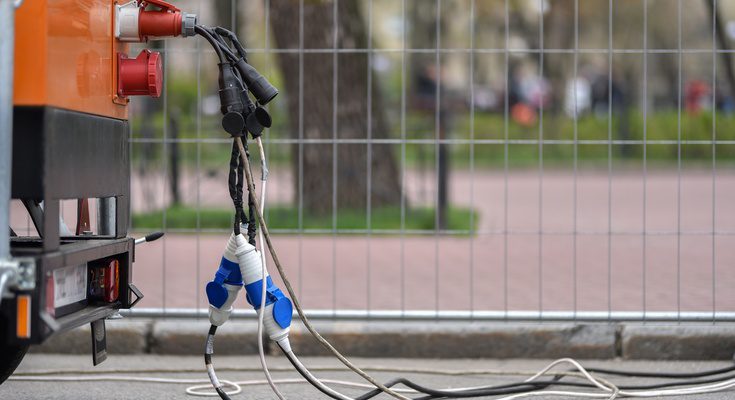
In any event environment, power plays a central role in how everything comes together. From lighting and sound to vendor booths and control systems, every component depends on a stable electrical setup. Tips for proper electrical planning during events can help you avoid disruptions and keep everything on track from the first setup hour through the final breakdown. If you’re preparing for an upcoming event, take a closer look at your electrical approach and line up the right support.
Start with a Clear Load Plan
Every successful setup begins with a full understanding of power demand. That means listing out all equipment, from large-stage lighting rigs to smaller items like POS systems or monitors. Once you have that list, calculate total load requirements and factor in a buffer for unexpected additions.
A small outdoor concert might look manageable on paper, but once you add food vendors, ticket scanners, and broadcast equipment to the mix, demand climbs quickly. Without a clear load plan, circuits can overload and cause shutdowns that interrupt the entire event.
Divide Circuits Thoughtfully
Spreading electrical loads across multiple circuits creates stability and reduces risk. High-demand equipment like amplifiers or HVAC units should sit on dedicated circuits rather than sharing with lower-priority devices. This approach prevents one issue from affecting everything connected. It also helps with troubleshooting. When something trips, a well-organized circuit layout makes it easier to isolate the problem and restore power without disrupting unrelated systems.
Account for Environment and Location
Indoor venues bring a controlled environment, but outdoor events introduce more variables. Weather exposure, uneven terrain, and long cable runs all play a role in how power gets distributed. Equipment must match those conditions.
For example, outdoor setups benefit from weather-resistant enclosures and proper cable protection. Long-distance runs may require voltage regulation to maintain consistent output at the far end. Planning for these conditions ahead of time avoids performance drops once the event is live.
Use Reliable Power Conditioning Equipment
Businesses invest in power line conditioners to keep electrical systems clean and efficient. Events can benefit from these systems, too, without requiring permanent setups. Clean and stable power protects sensitive equipment from voltage fluctuations.
Power conditioners, isolation transformers, and voltage regulators all serve a purpose in maintaining consistent output.These systems support uptime and help extend the life of connected devices. Organizations that rely on high-performance systems, such as broadcast setups or control centers, depend on this level of protection.
Strong electrical planning sets the foundation for a successful event. From load calculations to backup systems, each step builds toward a setup that performs reliably under pressure. Tips for proper electrical planning during events offer a practical path toward smoother operations and fewer disruptions. Take the next step and work with experienced professionals who understand complex electrical environments. The right support helps you stay prepared, stay powered, and stay focused on delivering a great experience.