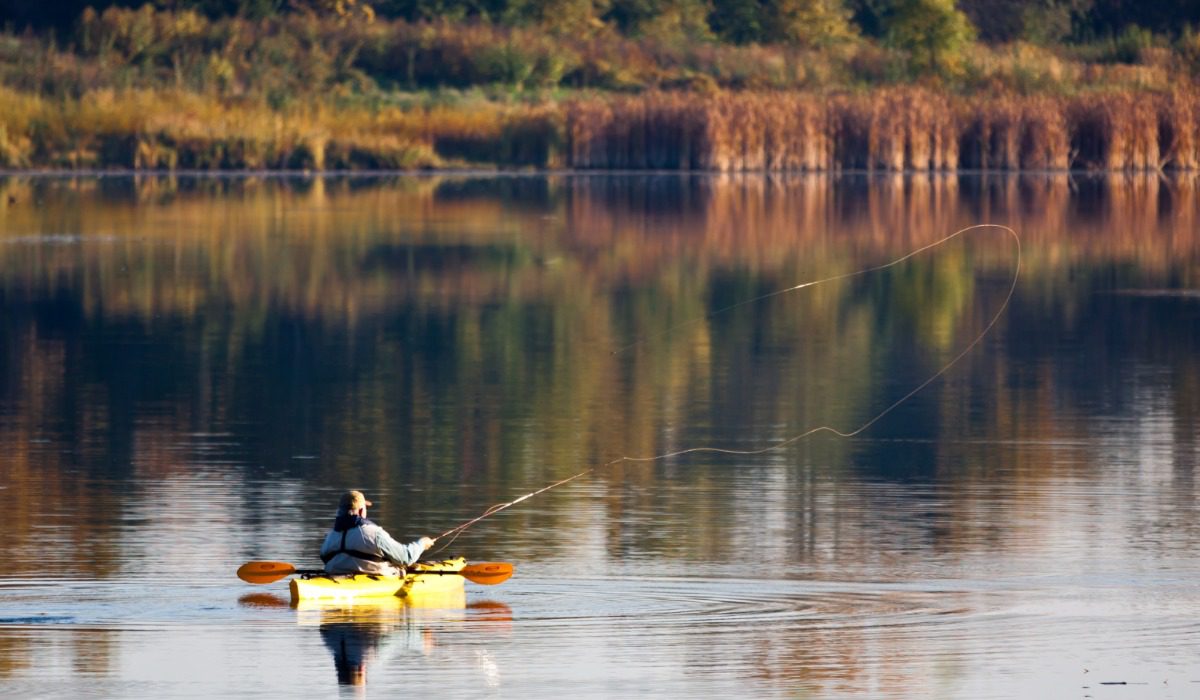
For anglers around Charlotte and across the Carolinas, autumn often brings comfortable days for paddling and fishing. A pleasant forecast, however, doesn’t always tell you what conditions will be like a few hours later. These tips for kayak anglers fishing in the fall can help you plan around seasonal changes with more confidence.
Adjust To Changing Water Temperatures
You may notice fish behaving differently as lakes cool from their summer highs. Instead of assuming a warm-weather pattern will persist, observe where baitfish gather and if your usual spots remain productive. Give yourself time to test different water instead of staying committed to an area that has gone quiet.
Fall conditions can also change quickly from one week to the next. Several cool nights may move the seasonal transition along, while warmer weather can slow it down. When you respond to the conditions you see on that day, you’ll make better decisions than you would by relying on the calendar alone.
On larger reservoirs, you may also notice that different sections of the lake don’t change at the same pace. Shallow water can respond quickly to cooler nights, while deeper areas may hold their previous temperature longer. Use those differences as clues when deciding where to spend your time instead of expecting the entire lake to fish the same way.
Follow the Bait, Not a Habit
If you’ve fished at the same Carolina lake throughout summer, it’s easy to return automatically to familiar water. Watch for visible bait activity and use your electronics, if you carry them, to confirm what’s happening below the surface. The productive shoreline you relied on yesterday will no longer be important once the food source has moved elsewhere.
Plan Around Shorter Days
Fall gives you less usable daylight, which matters when you’re traveling across a lake under your own power. You need enough time to reach your fishing area and return without rushing as visibility drops. A realistic turnaround can keep the final stretch of your outing controlled.
Build your schedule backward from sunset rather than assuming you’ll head in when the bite slows. If you fish after work or make an afternoon trip, check the sunset for your exact location before leaving home. Give yourself extra time so a slower paddle or unexpected stop doesn’t leave you returning in darkness.
Choose Your Launch Carefully
Water levels can change through fall, and a familiar launch may not look the same as it did earlier in the year. Lower water can expose rocks, while recent rain may leave shoreline access soft or slick. Look at the landing area closely so you know what you’ll need to manage when you return.
This is especially important when you’re fishing alone because no one else can steady your kayak as you enter or leave the water. Firm footing and enough room to control the boat can make both parts of the trip easier. A consistent routine for launching and landing a fishing kayak solo can also help you manage changing shoreline conditions without rushing.
Think About the Return Trip
Morning conditions can hide problems that become more obvious later. A manageable bank may become slick after rain, or activity around a public ramp may increase during the day. Choose a launch that still makes sense when you return tired and ready to unload.
Dress for Cooler Water
Cool air may influence what you wear, but you also need to consider the temperature of the water below you. An unexpected swim can expose you to much colder conditions than the air suggested at launch. Dress with that possibility in mind rather than choosing clothing only for comfort on shore.
Layering works well because fall temperatures can vary during a single outing. Choose clothing that lets you adjust without creating bulky movement around your seat. Secure any layer you remove inside the kayak so that it stays dry and out of your way.
Your personal flotation device is important even when the weather feels mild and the lake is calm. It’s best to wear it throughout your entire trip rather than only putting it on when conditions worsen. Using essential safety equipment consistently eliminates the stress of making a last-minute decision when you might need it the most.
Pack for Fall Conditions
You don’t need to overload your kayak to prepare for autumn. Focus on gear that helps you respond to cooler weather or an outing that lasts longer than planned. Keep everything within your kayak’s capacity and secure loose items before you push off the shore.
A practical setup for the fall may include:
- A dry outer layer for weather changes
- A reliable light for low-visibility returns
- An insulating layer stored somewhere dry
- A charged phone in waterproof protection
- Extra drinking water for longer outings
Keep your setup simple enough that you can reach what you need without moving around unnecessarily. Good organization becomes more valuable when your hands get cold, or daylight starts to fade. You’ll spend less time digging through gear and more time paying attention to the water around you.
Watch Wind and Travel Distance
A calm morning doesn’t guarantee a peaceful afternoon. Wind can build as weather systems move through the Carolinas, and exposed sections of a lake may become harder to cross in a kayak. Check the hourly forecast instead of relying only on the day’s general conditions.
Once you’re on the water, keep noticing whether paddling requires more effort. If chop begins building across an exposed stretch, adjust your route while you still have plenty of energy. Turning around earlier can protect the easy pace that made the outing enjoyable in the first place.
Cooler weather can also tempt you to travel farther because you aren’t fighting summer heat. Check your distance as the day progresses so that you don’t create an exhausting return trip. A comfortable afternoon can become demanding quickly when wind and fading daylight work against you.
Let Fall Change Your Routine
The best fall kayak trips often come from responding to the day you have instead of recreating a summer routine. For kayak anglers fishing in the fall across the Carolinas, paying attention to how familiar lakes can change gives you another chance to refine your judgment and better understand the season.
Autumn doesn’t require you to complicate your fishing routine. Give yourself enough time and respect the conditions you encounter. Make decisions that leave room for an easy return to shore. Pick a manageable fall day at a familiar Carolina lake, then use what you notice to make the next outing the best that it can be.