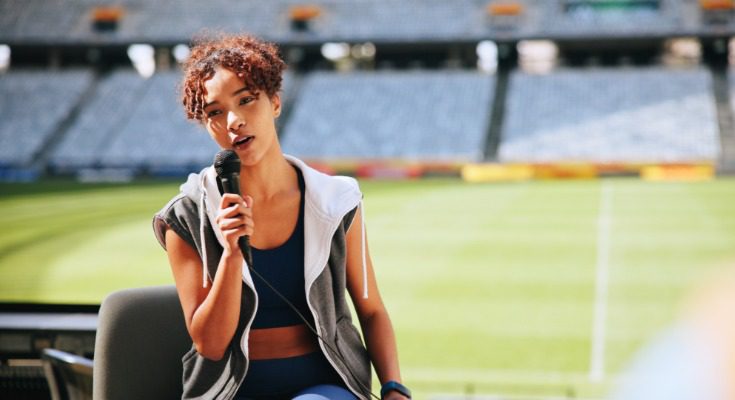
Post-game interviews give athletes a chance to add context, share emotion, recognize teammates, and connect with fans beyond the scoreboard. Tips for conducting post-game interviews with athletes can help reporters and content crews create conversations that feel polished without losing their natural energy. Review our guide below to find the tips you need to conduct interviews worth sharing long after the game ends.
Do Your Homework Before the Game
Good post-game interviews start before anyone reaches for a microphone. Review player names, recent statistics, team storylines, notable milestones, and relevant context before the event. That groundwork helps an interviewer avoid vague prompts and gives each conversation a clear purpose.
Take notes as the game unfolds, too. A late defensive stop, a dramatic comeback, or a standout individual effort can provide a natural place to start. Specific details show the athlete that the interviewer paid attention and can lead to richer responses.
Preparation also helps prevent factual mistakes during an emotional moment. Calling attention to the wrong player, score, or sequence can disrupt the flow fast. A few accurate notes provide a useful reference once the final buzzer sounds.
Give Athletes a Moment To Reset
An athlete who just left the court, field, or stage may need a brief pause before an interview. Heart rate, adrenaline, disappointment, and excitement can all run high right after competition. A short transition gives the athlete time to collect thoughts and shift attention toward the conversation.
That pause doesn’t need to last long. Even a minute to grab water, speak with a coach, or catch a breath can help. Event staff can also use that interval to confirm the interview location and check that cameras, microphones, and lights are ready.
Respect matters even more after a tough loss. Avoid rushing directly into a sensitive topic before the athlete has had a chance to process the result. A calm introduction can set a more considerate tone.
Start With a Clear, Specific Prompt
Broad prompts can leave an athlete unsure of where to begin. Give the conversation a clear direction from the start. Reference a moment, decision, adjustment, or team effort that provides an easy entry point.
For example, an interviewer can invite the athlete to describe the team’s response after an opponent took the lead. Another prompt could focus on a late play that changed the pace of the game. This approach gives the athlete something concrete to address instead of forcing a generic recap.
Avoid cramming several topics into one prompt. One idea at a time creates cleaner answers and a smoother exchange. It also gives the interviewer room to follow an unexpected detail.
Keep the Tone Appropriate to the Result
A championship victory and a heartbreaking loss call for very different energy. Match the tone to the moment rather than using the same upbeat delivery after every game. Excitement fits a celebration, but restraint shows respect after disappointment.
Avoid prompts that seem designed to provoke an emotional reaction. A difficult result already carries enough tension. Direct, neutral language gives athletes room to explain what happened without pressure to produce a dramatic quote.
Positive results deserve balance as well. Enthusiasm can add life to the interview, but the athlete should remain the focus. Let the accomplishment provide the excitement.
Respect Boundaries and Sensitive Moments
Post-game access doesn’t mean every topic deserves immediate attention. Injuries, personal conflicts, officiating disputes, and internal team matters can require extra care. Stick to verified facts and avoid assumptions about an athlete’s health or relationships.
If an athlete declines to address a subject, move forward without confrontation. The goal is a useful conversation, not a battle for a quote. Professional respect can also help build trust for future media opportunities.
Young athletes deserve added consideration. School media teams and event staff should follow their organization’s policies for athlete access, interviews, permissions, and media conduct. Clear procedures protect everyone involved.
Watch Your Own Body Language
An interviewer’s posture can influence the atmosphere more than people realize. Face the athlete, maintain comfortable eye contact, and avoid distractions such as repeated glances at notes or nearby activity. A relaxed posture helps the conversation feel less mechanical.
Physical positioning matters on camera, too. Leave enough space for both people to stand comfortably without creating an awkward gap. Keep microphones at a practical distance and avoid gestures that block faces or distract viewers.
The interviewer doesn’t need to perform for the camera. Natural reactions work better than exaggerated nods or expressions. Give the athlete visual attention and let the conversation remain the center of the shot.
Keep Post-Game Interviews Focused
Longer doesn’t always mean better. Athletes may have team obligations, medical evaluations, travel plans, or family members who wait nearby. A focused conversation respects those demands and can produce stronger material.
Choose a few worthwhile topics instead of trying to recap every quarter, inning, period, or set. A concise interview can cover the turning point, the athlete’s perspective, and what comes next without dragging past its natural endpoint. Remember how to create private athlete interview areas because having a comfortable space to talk will help your subject focus on your questions.
Pay attention to the athlete’s responses as the interview progresses. Shorter answers, repeated glances away, or staff cues may signal that it’s time to wrap up. A graceful close leaves a better impression than one extra prompt.
End on a Natural Note
A good conclusion doesn’t need an elaborate sign-off. Give the athlete space for a final thought tied to the game, team, or next matchup, then offer a brief thank-you. That creates a clean endpoint for both live coverage and edited video.
Avoid extending the conversation after a strong final response. Sometimes the best ending arrives sooner than expected. Recognize it and close with confidence.
The strongest tips for conducting post-game interviews with athletes come back to preparation, attention, respect, and a clear sense of the moment. Know the game and adapt your tone to the result. Add a professional indoor interview area, and the final presentation will feel organized without distracting from the athlete’s voice.