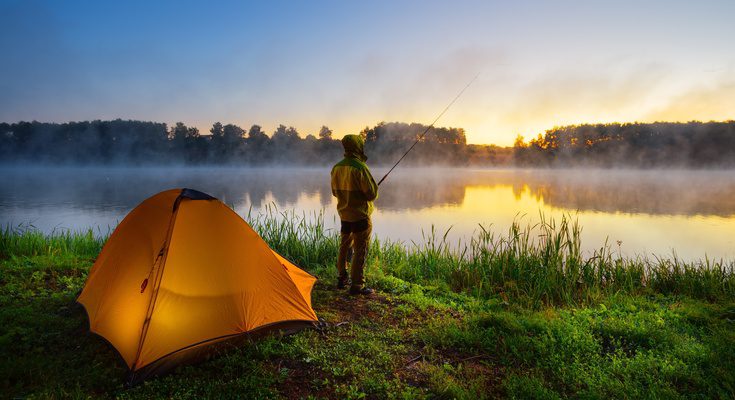
Planning a riverside trip comes with its own rhythm, and the best river camping tips for fishing success shape everything from where you set up camp to how you approach the water each day. A campsite near moving water offers both opportunity and challenge, since shifting currents influence fish behavior while terrain affects how quietly you move along the bank. With a bit of observation and thoughtful setup, the experience becomes less about chance and more about understanding how the environment works in your favor.
Reading the River Like a Local
Water rarely behaves at random, which means anglers who study its movement gain a clearer sense of where fish gather and feed. Subtle depth changes, current breaks behind rocks, and shaded banks create natural holding areas where fish conserve energy while waiting for food. Recognizing these features takes patience, yet once patterns become familiar, the river feels far more predictable.
Applying that awareness becomes easier when using techniques tied to finding the best fishing spots, since similar patterns appear across many rivers. A bend in the water or a narrowing channel can shift fish positioning, and understanding those changes leads to more intentional casting.
Setting Up Camp Without Disturbing the Water
Camp placement influences both comfort and fishing success, particularly when noise or heavy movement near the shoreline pushes fish away. Choosing a slightly elevated site away from the immediate bank reduces disruption while keeping the water within easy reach. This balance allows for quieter access during early morning hours, when conditions tend to feel calm and productive.
Natural elements such as wind direction and tree cover shape how the campsite functions throughout the day, especially as temperatures shift. A well-positioned camp supports consistency, allowing anglers to move between rest and fishing without resetting their approach.
When Local Knowledge Shapes the Experience
Some rivers reward exploration, while others present challenges that are difficult to interpret without insight into local conditions. In those situations, preparation can make the trip feel more structured and working with a guide can give you insights straight from a local’s mouth.
Review some common questions to ask when booking a guided tour to gain clarity around expectations, including how guides adapt to changing water conditions. That perspective allows anglers to decide when outside knowledge adds value to the overall experience.
Where River Knowledge Turns Into Real Results
Looking back at river camping tips for better fishing success, it becomes clear that preparation and awareness influence far more than just the catch. Thoughtful campsite placement, careful observation, and the ability to adjust create a more connected experience on the water. As those habits develop, each trip begins to feel more intentional, with the river offering clearer signals about where and how to fish.