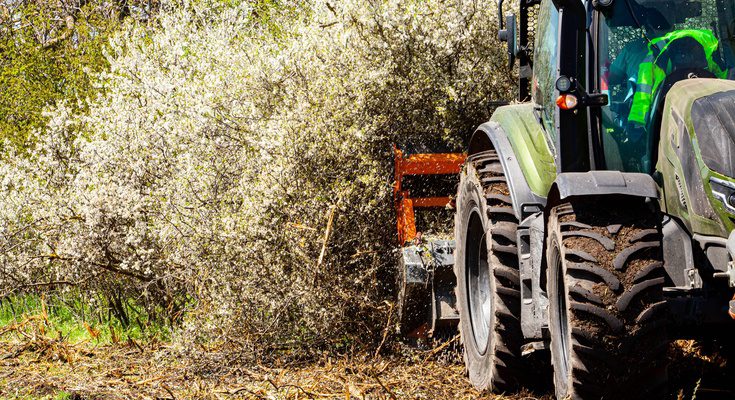
Brush attachments play a vital role in landscaping businesses by effectively clearing dense brush and saving time on the job. When properly maintained, these tools deliver reliable performance and last significantly longer, ultimately saving you money. If you’re in the landscaping business, keeping your brush attachments in top shape should be high on your priority list. Let’s explore the key maintenance practices for brush attachments.
Clean Attachments Regularly
Brush attachments collect a lot of dirt, debris, and caked-on grime during operation. Failing to clean them thoroughly after use can lead to long-term wear and tear. Cleaning doesn’t need to be a hassle. Use a high-pressure washer or a strong stream of water to remove stubborn debris. Pay close attention to the areas where bristles meet the frame, since this is where debris tends to gather the most. For smaller crevices, a stiff-bristle brush can loosen and eliminate hard-to-reach grime.
During winter months, consider removing salt and other corrosive substances as quickly as possible to prevent rust or corrosion from setting in. Clean tools always work more effectively and prevent unnecessary downtime.
Store Brush Attachments Correctly
Proper storage is just as crucial as cleaning. Leaving brush attachments exposed to the elements invites rust and material degradation. When not in use, keep them in a secure, dry place, ideally indoors or beneath a covered shelter, to protect them from direct exposure to sunlight, rain, and snow. For businesses with limited indoor space, using waterproof covers is a budget-friendly solution.
Use wall mounts or racks that keep brush attachments elevated, preventing unnecessary damage to the bristles. These simple practices preserve the quality of the equipment and help avoid unexpected repairs before the job season kicks into high gear.
Inspect Attachments Routinely
Brush attachments handle tough jobs daily, so wear and tear are inevitable. Regular inspections stop small issues from becoming major headaches. Start by examining the bristles for signs of excessive wear or damage. Worn or uneven bristles can compromise the attachment’s ability to tackle thick brush efficiently. Next, look for loose bolts or visible cracks in the frame, which could weaken the attachment during heavy-duty use.
If your model has moving parts, like a rotary brush attachment, confirm that each part rotates smoothly without unusual resistance or wobbling during operation. Take a few minutes between uses for this quick inspection to keep productivity high and breakdowns low.
Know When To Replace Your Attachment
Even with the best care, brush attachments have limits. Knowing when to retire them is critical for maintaining efficiency. Excessively thinned-out or broken bristles are clear indicators that it’s time to replace the attachment. Similarly, visible warping or cracks in the frame reduce its effectiveness and pose potential safety risks when clearing brush.
If your attachment no longer handles thick debris as effectively as it did when it was new, swapping it for a replacement ensures your business won’t skip a beat. Brush attachment that are great for clearing brush, and your business needs them to thrive.
No landscaping business can thrive without reliable tools, and brush attachments are no exception. By integrating the above brush attachment maintenance practices, you’ll avoid the frustration of unexpected failures and ensure every project runs smoothly. Take these steps seriously and enjoy better performance, longer equipment lifespans, and improved profitability for the long haul. If you’re in the market for top-quality brush attachments, check out options tailored for your business needs today and keep delivering exceptional results on every job site.