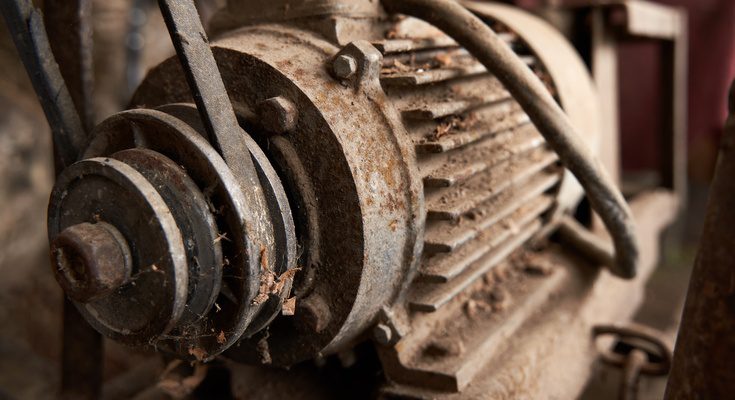
Electrical motors power everything from conveyor belts to heavy machinery in manufacturing operations. When this equipment fails, it can leave the entire operation in jeopardy and risk falling behind and increasing costs. This is why it is crucial to know the common causes of electrical motor failure and to put measures in place to prevent them from happening.
What To Do When Electrical Motors Fail
Things can happen in any facility, so if you do have an electrical motor fail, start by shutting down power to the motor and ensuring the workspace is safe for inspection. Inspect the motor for visible issues such as burnt components, unusual odors, or physical damage.
Determine if you can repair the motor or if you must replace it. Factors to consider include the extent of damage, repair costs versus replacement costs, and the impact on production timelines. To prevent failure, keep an eye out for signs that it’s time to replace an electric motor.
Bearing Failures
Bearing failures account for a large portion of motor breakdowns, making them the most common causes of unplanned downtime. Poor lubrication practices can create excessive friction and heat that cause bearings to wear prematurely. Once this happens, the motor can break down and pose safety problems within the facility.
Implement a structured lubrication schedule using the correct lubricant type and quantity. Install vibration monitoring systems to detect early bearing wear patterns. Ensure proper motor mounting and periodic alignment checks.
Winding Insulation Breakdown
Winding failures are often caused by insulation deterioration from high temperatures, voltage spikes, and chemical contamination. These contaminants make the protective insulation break down and enter the motor windings.
Always monitor the motor operating temperature, and ensure adequate ventilation to prevent overheating. Install surge protection devices to minimize voltage spikes. Use motors with appropriate IP ratings for your environment, and implement proper sealing procedures.
Rotor Bar Cracking and Breakage
Rotor problems are less common, but they can be tricky to deal with. Thermal cycling from frequent starts and stops creates expansion and contraction stress that eventually cracks rotor bars or end rings. Heavy loads and voltage imbalances can contribute to rotor stress.
Minimize frequent starting cycles where possible. Use soft-start devices for high-inertia loads. Monitor motor current signature analysis to detect rotor bar issues before complete failure occurs.
Transform Your Motor Reliability
Motor failures are largely preventable with the right combination of predictive maintenance technologies, proper application practices, and environmental protection strategies. Implementing these strategies can keep your facility running smoothly and prevent the usual causes of electrical motor failures. Remember that you can avoid downtime with the right preventative measures.