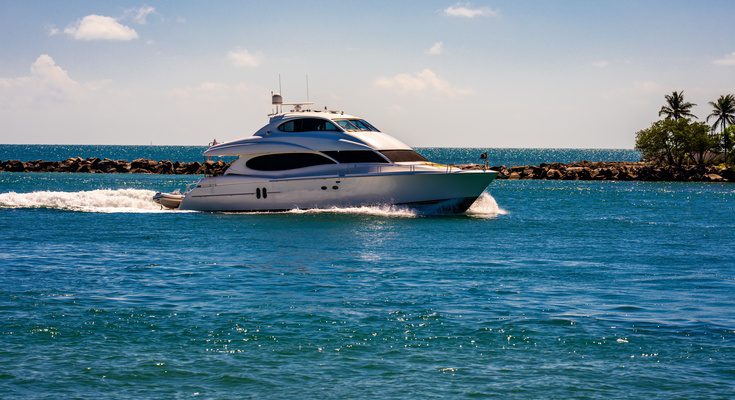
Whether you’re cruising a coastline or hopping between lakes, planning a multi-day boating trip in advance is the best way to avoid surprises and enjoy every mile. Learn how to map a smart route, pack the right gear, keep your boat in top shape, read the weather, and stay in contact with others while you’re on the water.
Plan Your Route and Stops
Predetermine your route with realistic travel times and fuel stops. Find marinas, anchorages, and protected coves where you can rest or refuel. Navigation apps make it easier to plan routes while considering water depths. Make sure to build in buffer time since wind shifts and currents can slow you down more than you think.
Pack Essentials and Safety Gear
Start your packing with the must-haves, including personal flotation devices for every passenger, flares, a first aid kit, a VHF radio, and extra lines. Next on your list should be layered clothing, dry bags, a basic tool kit, sun protection, and enough water and nonperishables for an extra day. Pack grab-and-go snack bins to keep everyone’s energy up without crowding the galley.
Check and Maintain Your Boat
Do a full systems check before you cast off. Inspect fluids, belts, impellers, fuel filters, and the steering system. Test all navigation lights and bilge pumps. The number of batteries you should have on your boat depends on your setup, but you should charge and label them and bring a portable jump starter in case of emergencies. It’s also wise to keep spare fuses, bulbs, and an extra prop nut aboard.
Monitor Weather Conditions
Weather can make or break a trip. Check marine forecasts from reliable sources such as NOAA and Windy before departure, then keep monitoring en route. Pay attention to wind direction, wave height, and gusts. Set weather alerts on your phone and VHF so you can adjust your plan early rather than race a storm.
Communicate Your Plan
Share a float plan with a trusted contact. Include your route, crew list, boat description, radio channel, and ETA windows. Check in with this contact at agreed intervals and update them if plans change. On board, brief your crew on safety procedures, man-overboard steps, and how to use the VHF.
A little prep goes a long way. With the helpful tips above, planning a multi-day boating trip is less stressful. Chart your course, gather your crew, and set a departure date—adventure is waiting.