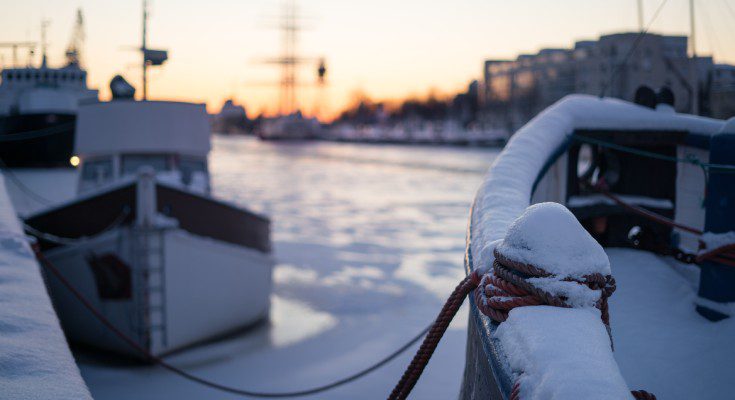
Cold-weather boating offers a unique kind of solitude on the water as the usual crowds disappear, leaving you with the invigorating crisp air and quiet surroundings. However, these lower temperatures demand thorough preparation. If you neglect the necessary steps, the cold can cause significant damage to your vessel.
To ensure a safe and enjoyable experience, you must prepare your boat for the season’s challenges. We compiled five ways to prepare your boat for winter adventures to help you stay safe and protect your investment.
Stabilize Fuel and Change Fluids
Gas breaks down over time. Ethanol separates from the mixture. This separation harms engines. Add a high-quality stabilizer to the tank. Run the engine for ten minutes. This circulates the treated fuel through the lines.
Change the oil and filters next. Fresh oil prevents corrosion inside the block. Old oil contains acids that corrode metal components during storage. Verify fluid levels in the power trim and steering systems. Clean fluids protect moving parts from rust.
Control Moisture and Ventilation
Dampness creates mold. It ruins upholstery quickly. Moisture management keeps the interior fresh. Use moisture absorbers in the cabin. Place them in lockers, too. Ventilation helps significantly. Airflow stops mildew growth.
Remove cushions and store them in a dry place. Open hatches slightly if the cover allows. Inspect seals around windows. Leaks allow water intrusion. Fix any cracks immediately. Dry cabins smell better in spring.
Upgrade Safety Equipment for Cold
Summer gear fails in winter. Hypothermia strikes fast. You need warmth. Swap standard life jackets for float coats. These provide insulation. Check expiration dates on flares. Cold hands struggle with zippers. Test all buckles to ensure they are secure and functioning correctly before setting out. Always keep thermal blankets on board for emergencies, as they can be life-saving in cold weather.
Navigating tides and currents effectively is crucial for avoiding accidental grounding, especially during seasonal shifts when unpredictable weather is more common. Be sure to carry extra food and water supplies, as rescue efforts may take longer than expected in remote or challenging conditions. Proper preparation and planning can make all the difference in ensuring safety on the water.
Maintain Battery Charge
Freezing temperatures drain power. Batteries discharge faster in cold temperatures. A dead battery leaves you stranded. Keep them fully charged. Clean the terminals with a wire brush. Grease prevents oxidation.
Use a trickle charger or solar maintainer. Disconnect batteries if you haul the boat out. Store them in a cool, dry place. Check the voltage monthly. Reliable power cranks the engine every time.
Protect the Hull and Exterior
Ice cracks fiberglass. Snow adds heavy weight. Cover the boat securely. Shrink wrap works well. It sheds snow easily. Support the cover with a frame. This prevents water pooling. Wax the hull before covering.
Wax shields against oxidation. Inspect the gelcoat for blisters. Repair chips now. Salt accelerates corrosion. Rinse the exterior after every trip. Clean boats last longer.
Enjoy Safe Winter Excursions
Preparation prevents problems. Follow these steps. They protect your vessel from harsh elements. You can boat year-round with confidence. Regular maintenance avoids costly repairs. These five ways to prepare your boat for winter adventures keep you on the water safely. Stay warm and enjoy the view.